
Straight or Cross-Court? Take a Closer Look at Your Shot Choices
Straight or cross-court: What informs your choice? A question from youth badminton research and a practical starting point for reviewing training footage with your coach.
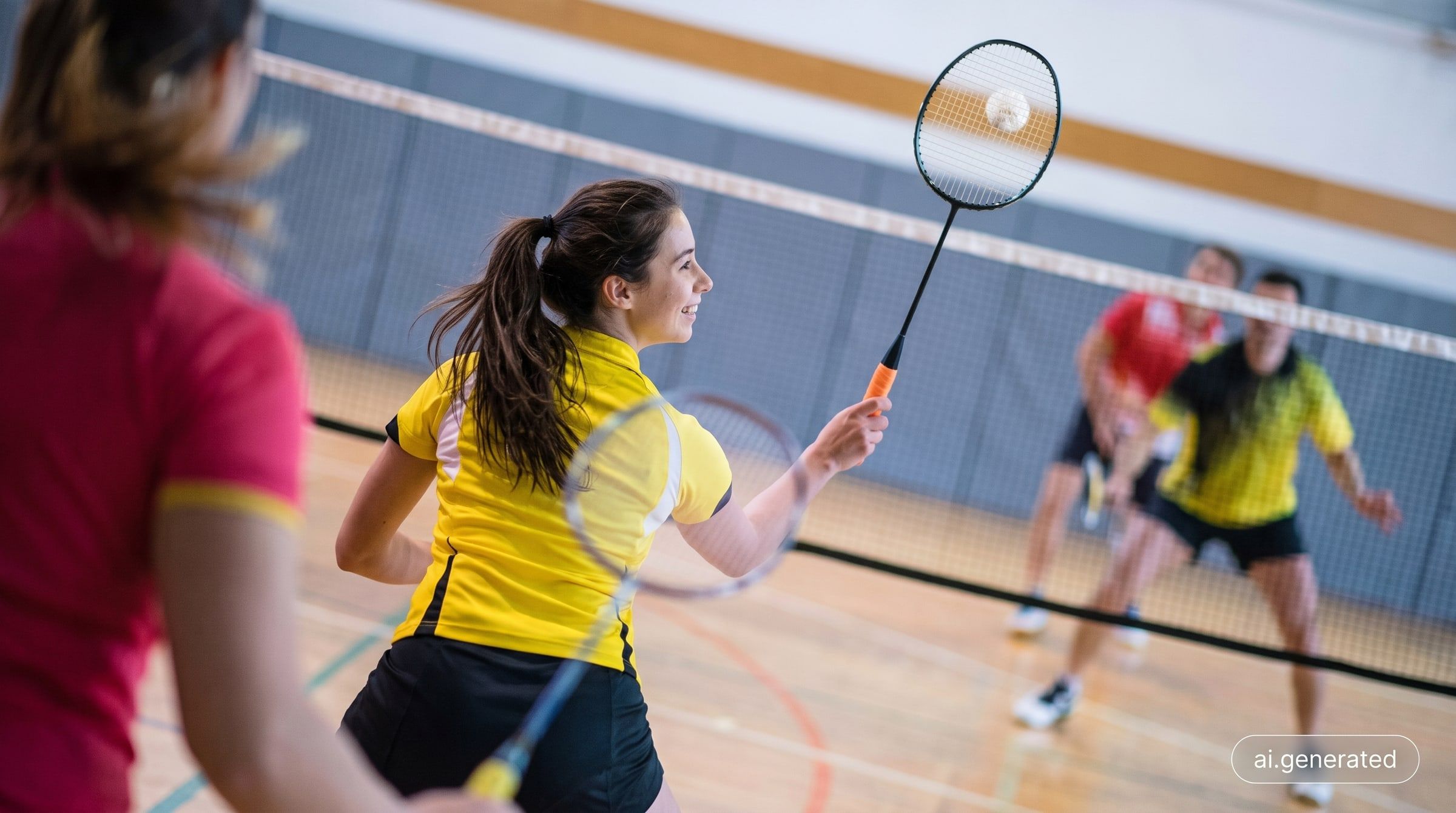
Suppose you have just played cross-court. Before your next attack, you think: Straight this time, otherwise I will become predictable.
That sounds like a plan. Whether it fits the situation is a separate question. Where is your opponent? How are you moving towards the shuttle? Which direction can you execute well from your position?
A straight shot stays on the same side of the court; a cross-court shot travels towards the opposite side. Either can form part of a sensible response. When reviewing practice, it is worth examining your reason for choosing: What did you notice before the shot, and what were you trying to achieve?
The Previous Choice as a Research Question
Among 50 players aged 13–15 from one training setting, opponent position and previous choice were associated with shot direction. Straight was less likely after a preceding straight choice. Trials used independent videos rather than continuous rallies; direction, screen location and keypress were coupled. This establishes neither a tactical cause nor better match performance. [1]
That gives you no rule for how often to repeat a direction or switch. A noticeable sequence is a reason to look more closely. Two similar shots may suit two similar situations. A switch may also be well founded, or simply reflect a wish to do something different.
The question for your review is: Which information supported this choice?
Start With the Intention, Then Look at the Outcome
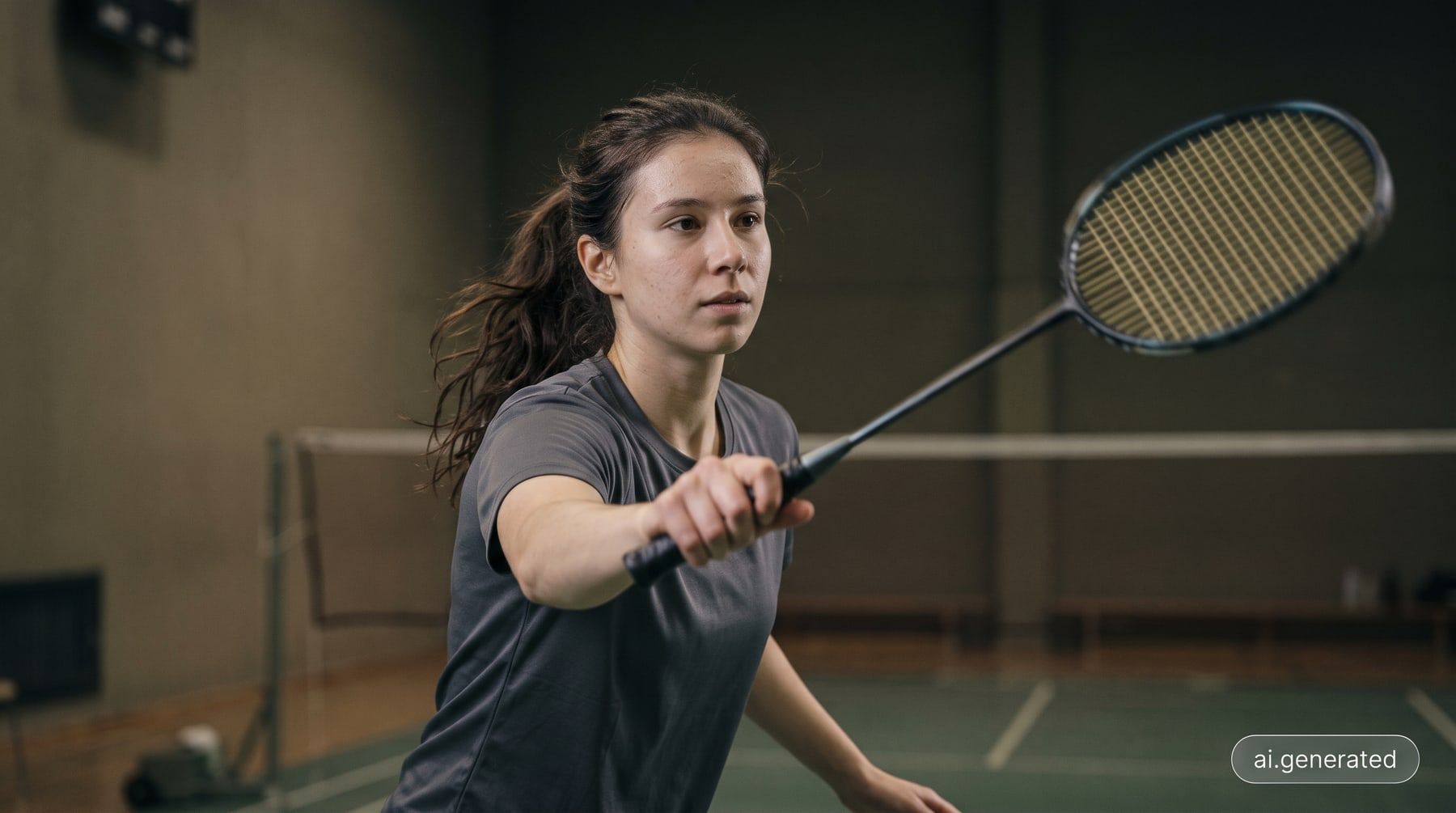
An older qualitative study involving two male teams examined decisions through interviews. It identified intentions including keeping a rally going, gaining an advantage and finishing the point. The abstract was reviewed for this article. [2]
You can use that distinction as a discussion prompt. Before judging a scene as successful or unsuccessful, describe your intention.
Were you trying to move your opponent? Had you spotted an attacking opportunity? Or were you trying to stay in the rally from a difficult position?
You can then consider whether your chosen direction fitted that intention. Execution deserves its own attention, too. Perhaps the idea made sense, but your contact point was poor. Perhaps the shot worked even though you had overlooked an important cue.
That turns “I lost the point” into a more specific discussion of the decision itself.
A Short Task for Reviewing Training Footage
The following is an editorial suggestion, not a scientific test.
Choose a few comparable attacking situations from your training footage with your coach. Only use recordings you have permission to review. Both players’ positions should be visible.
Pause the recording before the shot. First write down your choice and the cue you are using to support it. That could be your opponent’s position or your own position relative to the shuttle. If the footage does not show something you need, note that as well.
Discuss the scenes in more detail afterwards. This leaves a record of your initial reason before you hear your coach’s explanation.
Now look at neighbouring decisions. Did you repeat a direction or switch? Are those situations actually comparable? A similar preparation for the shot does not automatically call for the same response.
A few clips cannot reliably establish a personal decision bias. You are looking for something specific to discuss, rather than a score for your mind.
Questions Your Coach Can Ask
Useful questions refer to a visible moment:
- “Where was your opponent when you made your choice?”
- “Which cue supported that direction?”
- “What would have needed to change for you to choose the other option?”
If your answer is “Because I played cross-court before,” you can examine what else supported the straight shot.
Repeating a direction is not proof of an error either. What matters in your discussion is whether your explanation fits the particular scene. The proportion of straight and cross-court shots cannot answer that question on its own.
Take It Back Onto the Court
For your next session, choose a familiar task in which both directions can make sense. Your coach sets the feed, pace and demands.
Bring one observation task from your video review. For example, you might want to notice your opponent’s position more clearly before choosing a direction. Avoid a fixed pattern such as “one straight, one cross-court” when the purpose is to examine how you respond to the situation.
After the task, begin with one scene you can describe. What was visible? What were you trying to achieve? Why did you choose that direction?
If your explanation remains unclear, review that moment again. One choice you can explain gives you more to discuss next time than a general intention to become less predictable.